When searching for cost-effective wall treatments, many homeowners and designers encounter the term cheap cladding wood, but the challenge lies in distinguishing between low-quality materials and high-value architectural solutions. The desire for an organic aesthetic often clashes with tight project budgets, leading to a search for alternatives that maintain a sophisticated look without the premium price tag of rare hardwoods. Understanding the intersection of material science and acoustic performance is key to making an informed investment.
The importance of selecting the right cladding extends beyond mere visuals; it directly impacts the auditory environment and thermal efficiency of a space. In modern interior design, the integration of Wooden Acoustic Wall Panels serves a dual purpose by providing natural elegance and critical sound-dampening properties. By utilizing thick felt batting, these systems absorb unwanted noise, making them indispensable for home offices, entertainment rooms, and commercial studios where acoustic clarity is as valuable as the visual finish.
Navigating the balance between affordability and performance requires a look at contemporary manufacturing techniques that reduce waste while enhancing durability. This guide examines how to achieve a high-end look using cheap cladding wood alternatives that prioritize both sustainability and sound management. We will analyze the technical components and selection criteria that allow buyers to secure professional-grade results without overspending.


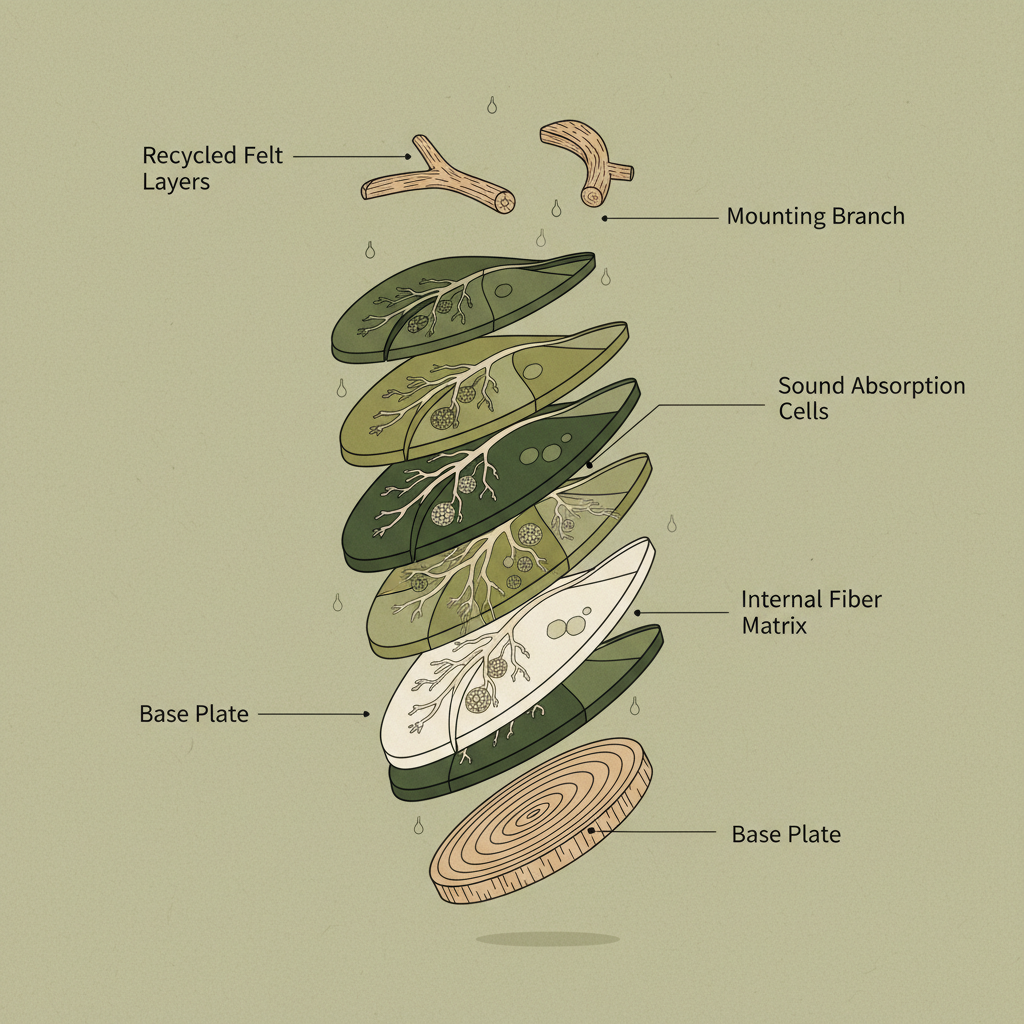
Modern acoustic cladding is not a single material but a composite system designed for specific environmental goals. At its core, the system consists of vertical wood slats—available in various hues and natural grain patterns—mounted onto a dense backing of polyester felt. This layered approach allows the panels to maintain the sophistication of all-natural wood while leveraging the industrial efficiency of acoustic batting to neutralize echo.
The integration of the felt layer is what transforms a simple decorative element into a functional tool for energy efficiency and soundproofing. By regulating the temperature and absorbing mid-to-high frequency noise, these panels create a more comfortable interior atmosphere. For those seeking a budget-friendly approach, the key is finding manufacturers who utilize advanced automatic machine equipment to maintain precision and quality while reducing labor costs.
When assessing the value of cladding, buyers should look beyond the initial price per square foot and analyze the material's long-term durability. All-natural wood provides a timeless elegance, but its performance depends heavily on the grain pattern and the quality of the finish used to protect it from humidity and wear. A high-value panel balances visual appeal with a structure that resists warping and fading over time.
True value in acoustic cladding is found when the sound-dampening properties of the felt batting are matched with the natural sophistication of the wood, ensuring that the product delivers both acoustic comfort and aesthetic luxury without requiring constant maintenance.
Installation efficiency is another critical factor that impacts the total cost of ownership. Systems designed for quick mounting on walls and ceilings using basic tools significantly reduce the need for specialized contractors. By choosing panels that are pre-fabricated for ease of install, users can minimize downtime and labor expenses, making the overall project more economical than traditional wood installations.
The primary appeal of wooden acoustic panels is their ability to blend "Natural Elegance" with technical utility. In many commercial spaces, there is a trade-off between soundproofing and style; however, the slat-and-felt design eliminates this compromise. The gaps between the wood slats allow sound waves to pass through to the felt batting, where they are absorbed rather than reflected back into the room.
The effectiveness of a soundproof panel is determined by the thickness and density of its felt layer, which serves as the primary engine for noise reduction and energy regulation within the building envelope.
Beyond acoustics, these panels contribute to the thermal regulation of a room. The air pockets created by the slat design and the insulating properties of the polyester felt help maintain a consistent temperature, potentially reducing reliance on HVAC systems. This makes the product an asset for sustainable building practices where energy efficiency is a priority.
Comparing different cladding options requires a look at how they perform across various functional categories. While basic wood cladding only offers aesthetic value, acoustic-grade panels provide measurable improvements in noise reduction and installation speed. The difference in "perceived value" often stems from the quality of the polyester felt and the precision of the wood cutting.
The following data illustrates a relative comparison of performance factors between standard decorative wood, budget acoustic panels, and professional-grade acoustic systems. This helps buyers identify where the most significant gains in performance occur relative to the investment level.
The application of acoustic slat panels spans from intimate residential settings to expansive commercial environments. In residential spaces, they are frequently used in bedrooms and living rooms to create a cozy, hotel-like atmosphere while reducing echo from hard flooring. For home theaters, the combination of wood and felt is essential for optimizing audio clarity and preventing sound leakage into other parts of the home.
In commercial contexts, such as open-plan offices or conference rooms, these panels solve the problem of "acoustic chaos" caused by multiple simultaneous conversations. By installing them on ceilings or as feature walls, businesses can increase productivity and reduce employee fatigue. The ability to customize colors and sizes ensures that the panels integrate seamlessly with existing corporate branding and architectural styles.
The industry is moving toward a more circular economy, focusing on materials that are both recyclable and sourced responsibly. The shift toward polyester felt produced from recycled fibers reduces the environmental footprint of acoustic panels. As consumers become more eco-conscious, the demand for SGS-verified products that guarantee safety and non-toxicity is increasing.
Technological advancements in automatic production lines are allowing for greater customization with less waste. We are seeing a trend toward "modular acoustic design," where panels can be easily swapped or rearranged to adapt to changing room layouts. This flexibility extends the lifecycle of the product, as only specific sections need replacement rather than the entire wall.
Furthermore, the integration of smart materials that can adapt to temperature changes or provide better fire resistance is a plausible direction for the next generation of cladding. By combining traditional wood elegance with high-tech polymer backings, the industry is redefining what "cheap" means—shifting from low-cost materials to high-efficiency, long-lasting solutions.
Despite the ease of installation, users often face challenges regarding layout planning and edge finishing. Precise measurement is the first step to avoid material waste. Using basic tools for mounting ensures a quick setup, but the alignment of the slat patterns must be carefully managed to maintain a professional, seamless appearance across large surfaces.
Maintenance for wooden acoustic panels is generally low, but it requires specific care to preserve the natural grain. Avoiding harsh chemical cleaners on the wood and using a vacuum with a brush attachment for the felt backing ensures the panels remain dust-free and visually appealing for years. Proper ventilation also prevents moisture buildup behind the panels.
For those sourcing in bulk, the choice of manufacturer determines the consistency of the product. Professional factories with a complete supply chain can provide OEM/ODM services, ensuring that logo integration and custom sizing are handled without compromising the structural integrity of the panel.
| Selection Criteria | Standard Wood | Acoustic Slat | Premium Custom |
|---|---|---|---|
| Sound Absorption | Low | High | Exceptional |
| Installation Speed | Slow | Fast | Moderate |
| Visual Elegance | High | High | Exclusive |
| Energy Efficiency | Neutral | Positive | Positive |
| Initial Cost | Medium | Low-Medium | High |
| Maintenance Need | Medium | Low | Low |
In this context, it refers to high-value, cost-effective alternatives to expensive solid hardwood cladding. These are typically composite panels featuring natural wood slats mounted on a polyester felt backing. They provide the luxury look of real wood while reducing costs through efficient manufacturing and providing the added functional benefit of sound absorption, making them more economical overall than traditional luxury cladding.
The panels work through a combination of diffusion and absorption. The wood slats break up sound waves (diffusion), while the thick felt batting absorbs the energy of the sound waves (absorption). This prevents sound from bouncing off hard walls, which reduces echo and reverberation, leading to a clearer auditory environment and a more pleasant space for work or relaxation.
Yes, they can be mounted on both walls and ceilings. Because they are designed for quick installation with basic tools, they are highly versatile. Ceiling installation is particularly effective in commercial offices or high-ceiling residential areas to stop sound from traveling vertically, though it is recommended to ensure the mounting hardware is appropriate for overhead loads.
Maintenance is minimal compared to traditional wood. For the wood slats, a dry or slightly damp cloth is sufficient for cleaning. For the felt backing, regular vacuuming with a soft brush attachment is recommended to remove dust. Avoid saturating the panels with water or using abrasive chemicals, as this can damage the natural wood grain and the structural integrity of the felt.
Look for manufacturers who own their factory and use advanced automatic production lines, as this ensures consistency and quality control. Verify if they offer OEM/ODM services for custom logos and sizes, and check for certifications like SGS testing. A supplier that provides professional purchase plan advice and FBA services for e-commerce is typically more reliable for large-scale projects.
Yes, they provide a degree of thermal insulation. The polyester felt batting acts as a barrier that helps regulate the temperature of the room by reducing heat transfer through the walls. While not a replacement for full building insulation, they contribute to a more stable internal climate, which can lead to slight reductions in heating and cooling costs over time.
Choosing an affordable cladding solution does not require sacrificing the sophisticated appeal of natural wood or the critical functionality of sound management. By focusing on the synergy between high-quality wood slats and dense polyester felt, users can transform any space into an acoustic sanctuary. The key to success lies in prioritizing material density, installation efficiency, and a manufacturer's ability to maintain strict quality control through automated production.
Whether you are designing a professional studio, a modern office, or a serene home environment, the right choice of cladding creates a lasting impact on both well-being and property value. For those seeking professional guidance on materials, customization, or bulk sourcing, exploring the capabilities of specialized manufacturers can ensure a seamless project execution. Discover more about high-performance wall solutions at www.ytakupanel.com.

 Afrikaans
 Albanian
 Amharic
 Arabic
 Armenian
 Azerbaijani
 Basque
 Belarusian
 Bengali
 Bosnian
 Bulgarian
 Catalan
 Cebuano
 Corsican
 Croatian
 Czech
 Danish
 Dutch
 Esperanto
 Estonian
 Finnish
 French
 Frisian
 Galician
 Georgian
 German
 Greek
 Gujarati
 Haitian Creole
 Hausa
 Hawaiian
 Hebrew
 Hindi
 Miao
 Hungarian
 Icelandic
 Igbo
 Indonesian
 Irish
 Italian
 Japanese
 Javanese
 Kannada
 Kazakh
 Khmer
 Rwandese
 Korean
 Kurdish
 Kyrgyz
 Lao
 Latin
 Latvian
 Lithuanian
 Luxembourgish
 Macedonian
 Malgashi
 Malay
 Malayalam
 Maltese
 Maori
 Marathi
 Mongolian
 Myanmar
 Nepali
 Norwegian
 Norwegian
 Occitan
 Pashto
 Persian
 Polish
 Portuguese
 Punjabi
 Romanian
 Russian
 Samoan
 Scottish Gaelic
 Serbian
 Sesotho
 Shona
 Sindhi
 Sinhala
 Slovak
 Slovenian
 Somali
 Spanish
 Sundanese
 Swahili
 Swedish
 Tagalog
 Tajik
 Tamil
 Tatar
 Telugu
 Thai
 Turkish
 Turkmen
 Ukrainian
 Urdu
 Uighur
 Uzbek
 Vietnamese
 Welsh
 Bantu
 Yiddish
 Yoruba
 Zulu
 English