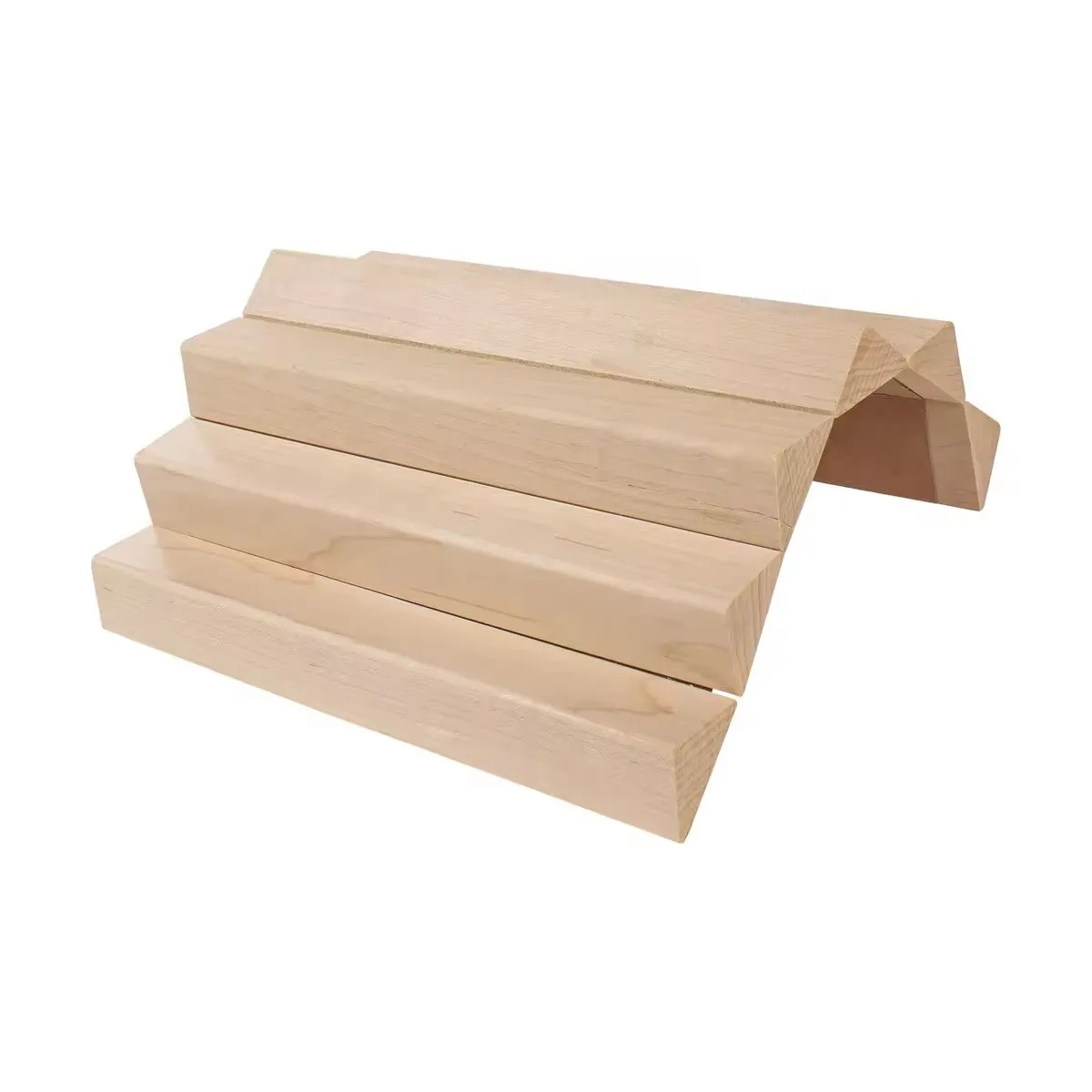

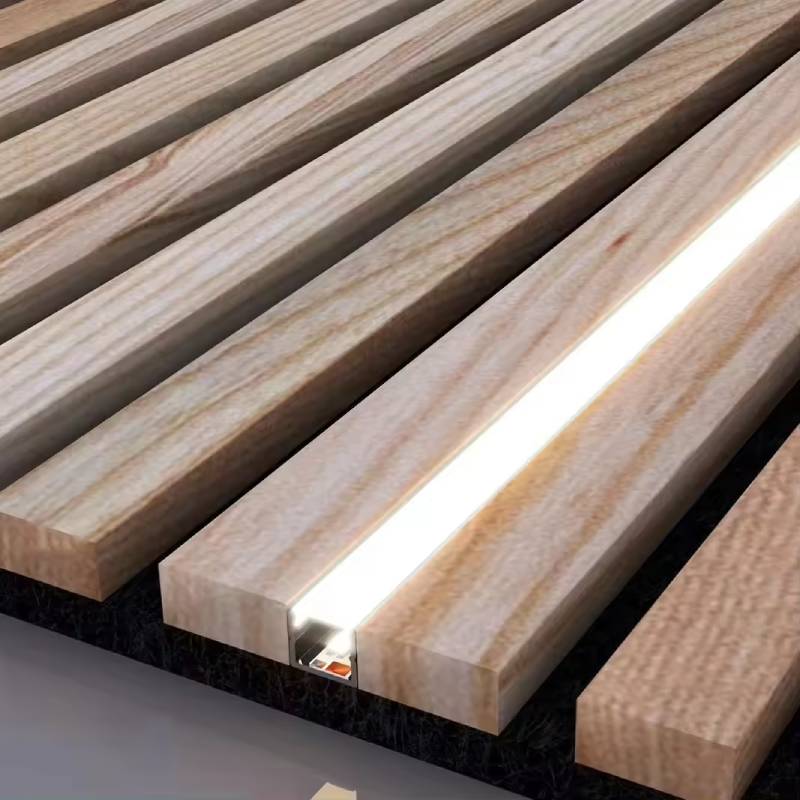
Advanced Soundproof Wood Panels
Explore our range of professional acoustic treatments designed to reduce noise pollution and enhance audio clarity.
Pet Snuffle Mat Sunflower Dog Feed Puzzle Toys

Hot Selling Pet Smell Training Mat Dog Snuffle Mat
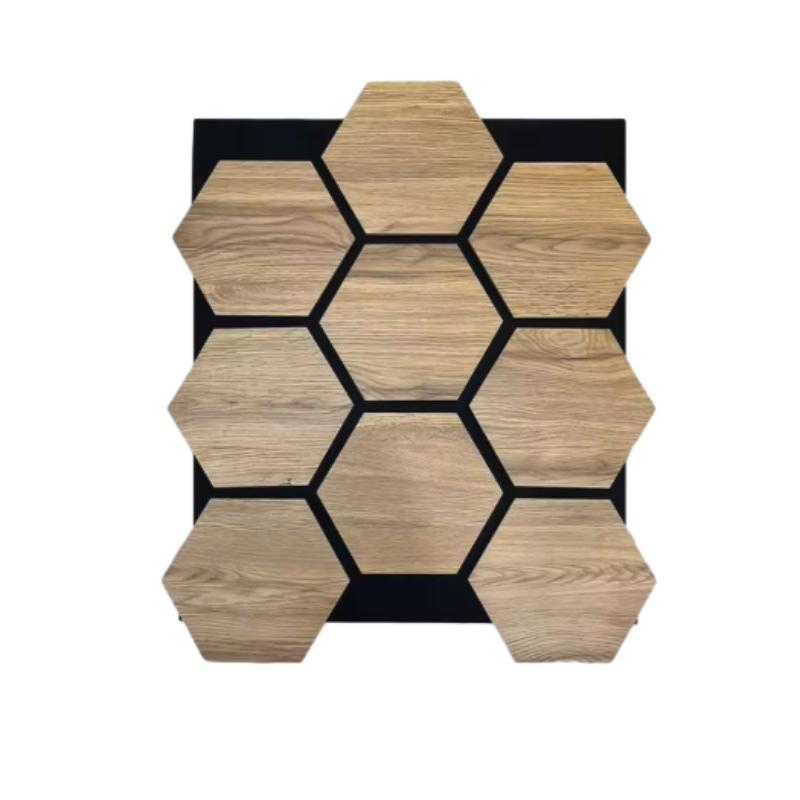
Natural Oak Hexagon Wood Veneer Sound Insulation Wall Panel Hexagonal Acoustic Panels
Acoustic Solution Selection for the Mexican Market
Analyzing the intersection of architectural trends and acoustic requirements in North America's southern hub.
Mexico's urban architecture often features concrete and hard-surface finishes, which contribute to high reverberation levels. Local developers are increasingly integrating wood sound panel systems to balance modern industrial aesthetics with the functional need for noise reduction in high-density cities.
There is a growing preference among Mexican business owners for modularity. The demand for grooved acoustic panel designs has risen as they allow for faster installation in commercial fit-outs, reducing downtime while providing a sophisticated, linear visual appeal suitable for executive offices.
Procurement patterns in the region show a shift toward SGS-verified materials. Buyers prioritize long-term durability and safety certifications, seeking sound-absorbing materials that can withstand varying humidity levels across different Mexican climates, from the coastal zones to the highlands.
Evolution of Acoustic Surface Engineering
From basic sound blocking to integrated architectural acoustic systems.
Market Development Stages
-
Material Adoption Stage
Initial focus on basic sound-absorbing foams and heavy curtains to manage echoes in early recording studios and industrial halls. -
Aesthetic Integration Stage
The transition toward wood acoustic panels for walls, where sound dampening was combined with interior design elements like slats and veneers. -
Systemic Performance Stage
Current focus on precision-engineered composite panels that offer specific NRC (Noise Reduction Coefficient) ratings and sustainable material sourcing.
Future Development Trends
- Sustainability — Increased use of recycled PET felt backings combined with FSC-certified wood surfaces.
- Customization — Shift toward ODM services allowing architects to specify custom groove widths and depths for specific frequency absorption.
- Modular Installation — Development of click-and-lock systems to minimize labor costs and installation errors on site.
Future-Proofing Acoustic Environments
Key drivers shaping the next generation of sound-absorbing surfaces.
Material Hybridization
Combining wood slats with high-density polyester felt to maximize both sound absorption and reflection control.
Eco-Compliant Sourcing
Adoption of low-VOC adhesives and formaldehyde-free boards to meet stringent indoor air quality standards.
Precision Manufacturing
Using advanced automatic machine lines to ensure millimeter-perfect grooving for consistent acoustic performance.
Dynamic Design
Moving toward parametric patterns that can be customized to target specific problem frequencies in a room.
Industry Outlook: The Shift Toward Wellness Architecture
The future of interior acoustics in Mexico is closely tied to the "Well Building" movement. Noise is no longer seen just as a technical nuisance but as a factor affecting mental health and productivity. Consequently, the implementation of soundproof wood panels is shifting from purely industrial applications to wellness-focused residential and healthcare environments.
We anticipate that procurement logic will increasingly favor manufacturers who can provide end-to-end ODM services, moving from generic product catalogs to bespoke acoustic solutions that integrate seamlessly with the broader architectural vision of a project.
Localized Applications in Mexico
Practical implementation of sound dampening solutions across diverse sectors.
1
Corporate Office Hubs in CDMX
Utilizing grooved acoustic panels in open-plan offices to reduce speech intelligibility between workstations and eliminate the "echo chamber" effect in glass-walled meeting rooms.
2
Hospitality and Boutique Hotels
Implementing wood slat panels in hotel lobbies and corridors to maintain a luxury aesthetic while dampening the noise of guest traffic and luggage movement.
3
Home Cinema and Recording Studios
Using specialized sound dampening panel configurations to control low-frequency standing waves and create a balanced sonic environment for high-fidelity audio.
4
Educational Institutions and Auditoriums
Installing ceiling-to-wall acoustic wood systems in lecture halls to ensure clear voice projection for speakers and improved comprehension for students.
5
Industrial Control Rooms
Applying robust sound-absorbing panels in manufacturing control centers to isolate operators from heavy machinery noise, enhancing safety and focus.
Hebei Yiteng: Engineering Acoustic Excellence
A commitment to quality manufacturing and global supply chain reliability.
Init
Foundation
Establishment in Shijiazhuang
Founded as a professional manufacturer in Hebei Province, leveraging the strategic location near Tianjin Port to facilitate efficient international logistics.
Dev
Capability Expansion
Automation and Technical Upgrade
Invested in advanced automatic machine equipment production lines to enhance product precision, reduce labor variance, and scale the production of polyester and wood acoustic panels.
Now
Global Integration
International Quality Certification
Successfully passed SGS verification and testing, expanding the customer base across North America, Europe, and Southeast Asia with a focus on OEM and ODM services.
Customized Acoustic Solutions for Mexico
High-performance materials tailored to meet the specific architectural and acoustic demands of the Mexican market.


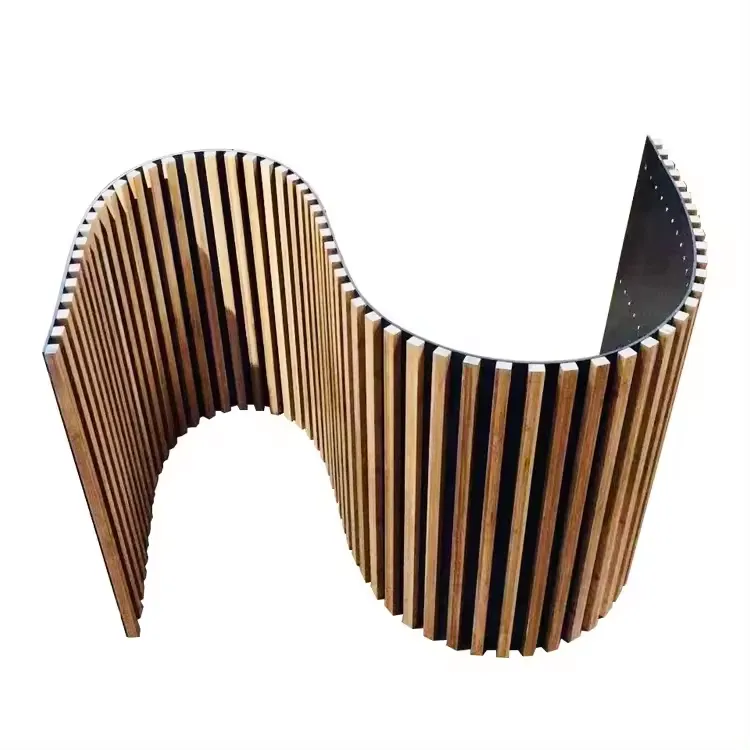
Mexico Acoustic Panel FAQ
Technical guidance and procurement advice for acoustic installations.
How do I choose between a grooved acoustic panel and a flat soundproof panel?
The choice depends on your target frequency. Grooved panels are generally better for diffusing sound and managing specific mid-to-high frequencies while maintaining a linear aesthetic. Flat panels are often used for broad-spectrum absorption. We recommend analyzing the room's reverberation time before selecting.
Can these wood acoustic panels withstand the humidity in coastal regions of Mexico?
Yes, our panels are manufactured using a strict quality management system. The wood components are treated and combined with high-density polyester felt, which is naturally more resistant to moisture than traditional foam, making them suitable for various regional climates.
What are the technical benefits of using a PET felt backing for wood panels?
The PET felt acts as the primary absorbent layer that traps sound waves, while the wood slats act as diffusers. This hybrid structure prevents the "dead room" feeling and provides a more natural acoustic balance than felt alone.
Do you offer customization for large-scale commercial projects in Mexico?
Yes, we provide comprehensive OEM and ODM services. Our R&D team can customize styles, sizes, and groove configurations based on your project's technical requirements and architectural drawings.
How is the product quality verified for international shipping?
Our products have passed SGS verification and testing. We implement a strict control process from raw material procurement through to final production and testing to ensure reliability upon arrival in Mexico.
What is the best way to install soundproof wood panels for maximum efficiency?
For maximum efficiency, panels should be placed at "first reflection points" (where sound first hits the wall). Ensuring a tight fit against the substrate and using professional adhesives or mounting brackets prevents sound leakage.
Start Your Acoustic Upgrade in Mexico
Discuss your specific project requirements and receive a professional recommendation for your sound dampening needs. Our team is ready to support your architectural goals in Mexico.
Contact Us Now Afrikaans
 Albanian
 Amharic
 Arabic
 Armenian
 Azerbaijani
 Basque
 Belarusian
 Bengali
 Bosnian
 Bulgarian
 Catalan
 Cebuano
 Corsican
 Croatian
 Czech
 Danish
 Dutch
 Esperanto
 Estonian
 Finnish
 French
 Frisian
 Galician
 Georgian
 German
 Greek
 Gujarati
 Haitian Creole
 Hausa
 Hawaiian
 Hebrew
 Hindi
 Miao
 Hungarian
 Icelandic
 Igbo
 Indonesian
 Irish
 Italian
 Japanese
 Javanese
 Kannada
 Kazakh
 Khmer
 Rwandese
 Korean
 Kurdish
 Kyrgyz
 Lao
 Latin
 Latvian
 Lithuanian
 Luxembourgish
 Macedonian
 Malgashi
 Malay
 Malayalam
 Maltese
 Maori
 Marathi
 Mongolian
 Myanmar
 Nepali
 Norwegian
 Norwegian
 Occitan
 Pashto
 Persian
 Polish
 Portuguese
 Punjabi
 Romanian
 Russian
 Samoan
 Scottish Gaelic
 Serbian
 Sesotho
 Shona
 Sindhi
 Sinhala
 Slovak
 Slovenian
 Somali
 Spanish
 Sundanese
 Swahili
 Swedish
 Tagalog
 Tajik
 Tamil
 Tatar
 Telugu
 Thai
 Turkish
 Turkmen
 Ukrainian
 Urdu
 Uighur
 Uzbek
 Vietnamese
 Welsh
 Bantu
 Yiddish
 Yoruba
 Zulu
 English


