
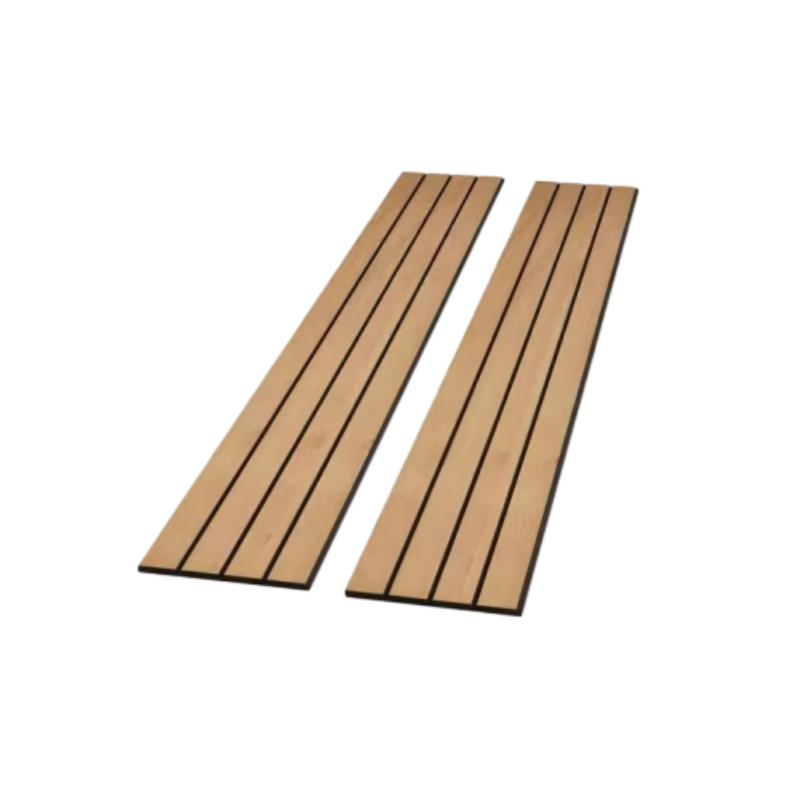
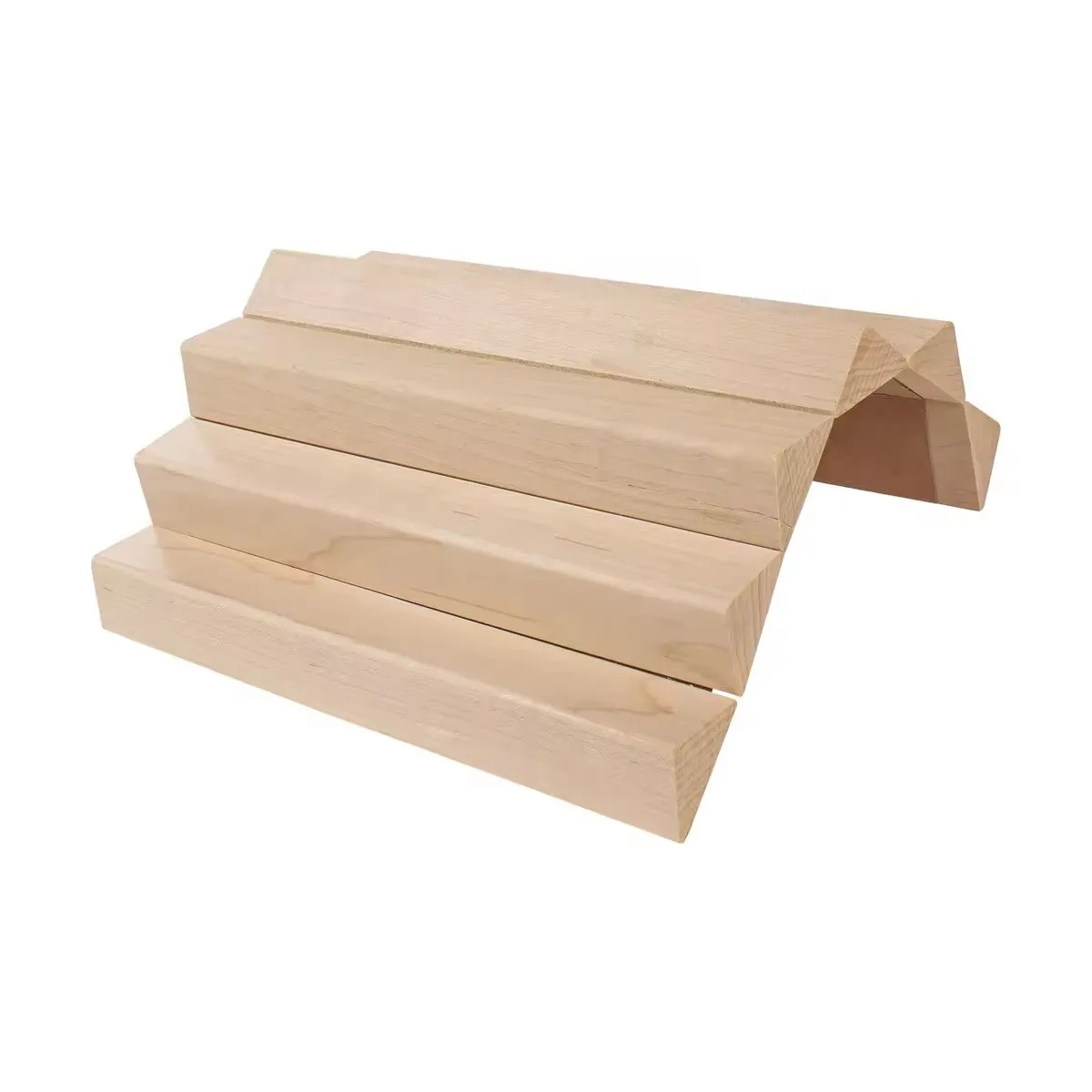


Regional Analysis
The Acoustic Market Landscape in Egypt
Understanding the intersection of architectural growth and the demand for sound control in North Africa.
Egypt is currently experiencing a significant wave of urban development, characterized by the rise of new administrative cities and the modernization of commercial hubs in Cairo and Alexandria. As the architecture shifts toward open-plan offices and high-ceiling glass structures, the inherent acoustic flaws of these designs—specifically excessive reverb and sound leakage—have become prominent. The market is transitioning from basic soundproofing (which focused only on blocking sound) to sophisticated acoustic treatment, where the goal is to manage sound quality within a space using a sound dampening panel approach.
The current trend is driven by a growing awareness of "acoustic comfort" in the luxury residential and corporate sectors. There is a clear shift away from traditional foam pads toward integrated architectural solutions like wood slat panels. This is fueled by the demand for sustainable, aesthetically pleasing materials that do not sacrifice performance. Furthermore, the rise of home offices and recording studios in Egypt has created a surge in demand for DIY-friendly but professional-grade acoustic treatments that can be installed without major structural renovations, pushing the market toward modular wood-based systems.
While the opportunity is vast, the Egyptian market faces constraints related to the availability of certified, high-quality materials. Many available options are either prohibitively expensive imports or low-grade local alternatives that lack technical verification. This creates a strategic opening for professional manufacturers who can provide a balance of SGS-certified quality, competitive direct-from-factory pricing, and customization. The outlook for the next five years suggests a steady increase in the adoption of hybrid acoustic solutions that combine visual warmth with technical precision, especially in the hospitality and government sectors.
Industry Journey
Evolution of Acoustic Treatment Technology
From simple sound blocking to the integration of acoustic engineering and interior design.
Early Phase
Passive Insulation
Focus was primarily on sound isolation using heavy mass materials. Solutions were often bulky and lacked aesthetic consideration, serving only to block noise between rooms.
Development Phase
Material Specialization
Introduction of porous absorbers like polyester felt and specialized foams. The focus shifted to reducing reverberation within a room to improve speech intelligibility.
Current Phase
Hybrid Integration
Modern wood slat systems combine the diffusive properties of wood with the absorptive power of felt, creating a dual-action solution that is both functional and decorative.
The Shift to Sustainable Polymers
The industry is moving away from toxic resins toward PET-based polyester felt. These materials are not only more environmentally friendly but also offer superior consistency in sound absorption across a wider frequency range, making them ideal for diverse Egyptian climate conditions.
Automation in Precision Cutting
The transition from manual crafting to advanced automatic machine production lines has eliminated human error. This ensures that every grooved panel has identical dimensions, which is critical for the large-scale installations required in Egypt's new corporate towers.
Customization through ODM Services
Standard sizes are no longer enough. The trend is toward ODM (Original Design Manufacturing), where the panels are engineered to fit the specific acoustic profile of a room, allowing for tailored slat spacing and depth based on the desired NRC value.
Future Outlook
Emerging Trends in Acoustic Design
How technological advancements are redefining the way we interact with sound in the built environment.
Biophilic Acoustic Integration
Combining natural wood textures with sound-absorbing cores to reduce stress and improve well-being. This trend is gaining traction in Egypt's wellness centers and healthcare facilities.
Multi-Functional Wall Systems
Acoustic panels are evolving into smart surfaces that integrate lighting and cable management, reducing the need for multiple contractors during the fit-out phase of commercial projects.
Frequency-Specific Tuning
Using varied slat widths and depths to target specific problem frequencies, allowing for a tailored acoustic environment in specialized spaces like theaters or conference rooms.
Circular Economy Materials
Increasing use of recycled PET felt cores. This not only appeals to the global sustainability movement but also reduces raw material costs without compromising sound absorption.
The integration of advanced materials is fundamentally changing the operational logic of interior design. In the past, acoustic treatment was an additive process—something added after the room was built. Today, it is a primary structural consideration. By employing automated production lines, manufacturers can now offer the precision required for seamless integration with other architectural elements, such as recessed lighting or hidden HVAC vents, which is increasingly demanded by the high-end commercial sector in Egypt.
Furthermore, the shift toward ODM services allows for a more scientific approach to sound management. Instead of applying a generic panel across a whole wall, designers can now specify different densities and slat configurations for different zones of a room. This "zonal acoustic treatment" maximizes efficiency by placing the highest absorption where it is most needed, reducing material waste and optimizing the overall auditory experience for the end-user.
Practical Applications
Implementation Scenarios in Egypt
Real-world applications demonstrating how acoustic panels transform diverse Egyptian environments.
01
Corporate Boardrooms in New Cairo
Modern corporate offices often feature glass walls and polished floors, creating a "cavern" effect. By installing wood sound panel systems on the primary focal wall, companies can eliminate voice flutter and ensure that high-stakes meetings are conducted with crystal-clear audio quality, while maintaining a professional, executive aesthetic.
02
Luxury Residential Penthouses in Alexandria
High-ceiling living areas in coastal properties often suffer from excessive echo. Using a combination of ceiling-mounted and wall-integrated slat panels allows homeowners to dampen noise without losing the sense of openness. The use of natural wood tones complements the Mediterranean interior style while providing essential sound comfort.
03
Education Centers and Lecture Halls
Classrooms with high student density often struggle with noise buildup. Implementing a grooved acoustic panel layout across the rear and side walls absorbs the energy of overlapping voices, reducing the effort required by instructors to be heard and increasing student focus through a controlled acoustic environment.
04
Hospitality and Boutique Hotel Lounges
Lobbies in luxury hotels need to balance a bustling atmosphere with a sense of intimacy. By integrating acoustic panels into the wall cladding, hotels can lower the ambient noise floor. This ensures that guests can have private conversations even in a crowded lounge, significantly improving the guest experience and perceived luxury.
05
Professional Home Studios and Podcasting Suites
The rise of digital content creation in Egypt has led to a demand for high-performance sound dampening panel solutions in small spaces. Modular wood slat panels provide the necessary absorption to prevent "boxiness" in recordings, providing a professional studio sound without the need for expensive permanent construction.
Deployment Evidence
Representative Implementation Contexts
Illustrating the impact of professional acoustic treatment across various commercial and residential settings.
In large-scale commercial office fit-outs, the transition to modular wood slat panels has drastically reduced installation time. The ability to achieve high NRC ratings while maintaining a luxury aesthetic makes these panels a preferred choice for modern architectural projects where sound management is a priority.
For hospitality environments, the challenge is always the balance between hard, cleanable surfaces and sound absorption. Hybrid panels with a felt core and wood slats provide a durable solution that stands up to high traffic while significantly reducing the noise floor in busy hotel lobbies.
Integrating high-density acoustic panels in educational settings has proven to increase speech intelligibility. By targeting specific reflection points in the classroom, we can create a more conducive learning environment that reduces the acoustic strain on both teachers and students.
Our Legacy
Hebei Yiteng: Excellence in Acoustic Manufacturing
A commitment to precision, quality, and global partnerships in the field of non-metallic mineral products.
Foundational Phase
Strategic Manufacturing Setup
Established in Shijiazhuang city, Hebei Province, our operations were strategically placed near Tianjin Port to ensure efficient global logistics. We focused on the production of professional polyester and wood slat acoustic panels, leveraging the region's expertise in felt production.
Growth Phase
Automation & Quality Integration
To ensure consistent quality, we implemented advanced automatic machine production lines. This transition allowed us to reduce labor dependency while significantly increasing the precision and reliability of our products, leading to SGS verification and testing.
Expansion Phase
Global Market Penetration
Expanding our footprint across North America, Europe, South America, and Southeast Asia. We developed comprehensive OEM and ODM services, supported by a professional R&D team to provide customized felt and acoustic products for global clients.

Hot selling Flower-shaped sniffing pad

Highly Effective Sound Absorption Panel China Soundproofing Board For Building
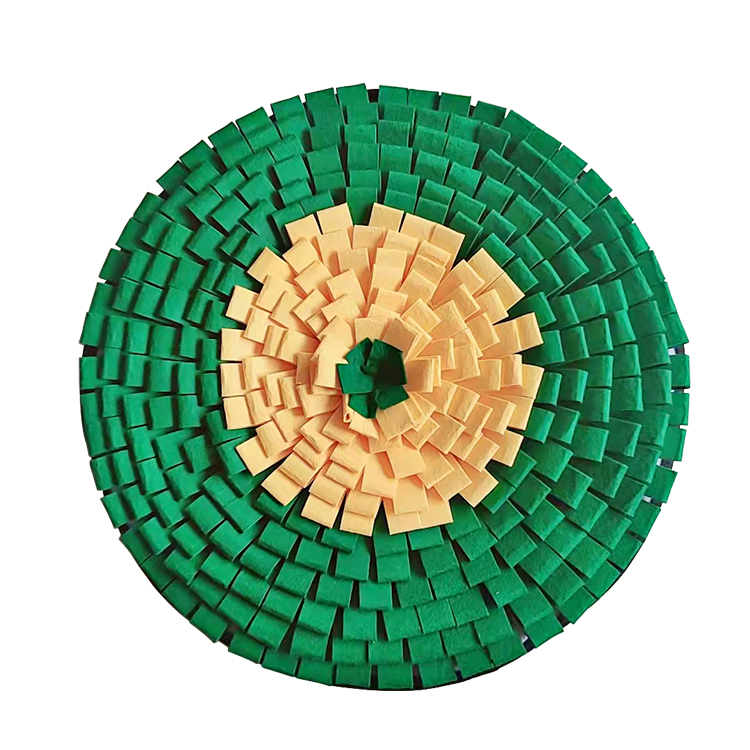
Pet Snuffle Mat Sunflower Dog Feed Puzzle Toys
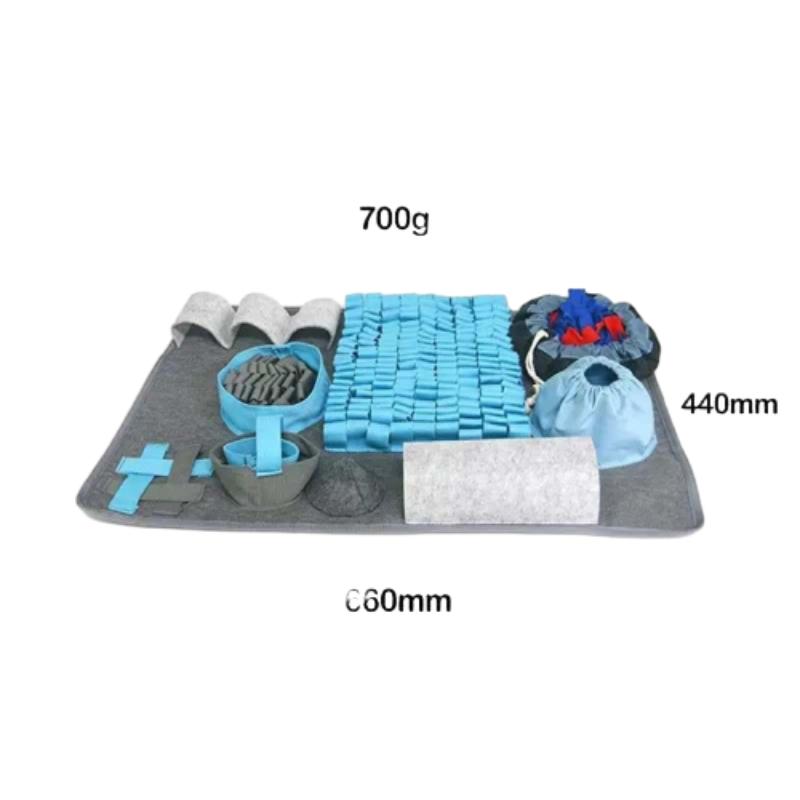
Cotton Webbing Anti- Bite Dog Snuffle Mat
Knowledge Base
Frequently Asked Questions
Technical insights and practical guidance for selecting the right acoustic solutions.
What is the primary difference between soundproofing and acoustic treatment?
Soundproofing refers to blocking sound from entering or leaving a room, usually requiring heavy, dense materials to seal gaps. Acoustic treatment, which is what our wood sound panels provide, focuses on improving the sound quality inside the room by absorbing reflections and reducing echo. For a truly optimized space, a combination of both is often recommended, but acoustic treatment is what makes a room sound "professional" and comfortable.
How do wood slat panels manage to absorb sound compared to flat panels?
Our panels use a hybrid mechanism. The wood slats act as diffusers, breaking up sound waves to prevent harsh echoes, while the high-density polyester felt backing acts as an absorber, trapping the sound energy and converting it into trace amounts of heat. This dual-action approach allows us to manage a broader range of frequencies than a simple flat absorber could, resulting in a more natural and balanced acoustic environment.
Are these panels suitable for the high temperatures and humidity found in Egypt?
Yes, they are. Our panels are manufactured using SGS-verified materials and high-precision automatic equipment that ensures structural stability. Unlike low-grade wood or foam, our composite construction is designed to resist warping and degradation under fluctuating thermal conditions. We recommend ensuring the walls are dry during installation to maximize the longevity and performance of the adhesive systems used.
Can these panels be customized for specific wall dimensions and design requirements?
Absolutely. We offer comprehensive OEM and ODM services. Our professional R&D team can customize the slat width, spacing, total panel dimensions, and felt colors to meet your specific architectural needs. Because we control the entire production process in our own factory, we can implement these changes accurately, ensuring that the final product fits your space perfectly while meeting the target acoustic performance.
What is the typical installation process for soundproof wood panels in a commercial setting?
The process typically involves preparing the wall surface, applying a professional-grade acoustic adhesive or using a mechanical fastening system, and then interlocking the panels. Because our panels are modular, they can be installed quickly by a small team. In commercial settings, we recommend a layout plan that targets primary reflection points (first reflections) to maximize the efficiency of the sound dampening effect with the least amount of material.
How do I choose between a grooved acoustic panel and a standard polyester panel?
The choice depends on your goal. Standard polyester panels are excellent for maximum absorption and are often more cost-effective for large, utilitarian areas. Grooved wood panels are superior when you need a balance of absorption and diffusion, and where high-end aesthetics are a priority. For luxury offices, hotels, or living rooms, the wood slat design is typically preferred as it adds architectural value while effectively managing the room's acoustics.
Start Your Project
Optimize Your Space with Egypt's Premier Acoustic Solutions
Whether you are designing a corporate tower in New Cairo or a luxury residence in Alexandria, our team is ready to help you achieve the perfect sonic balance. From technical consultation to customized OEM manufacturing and efficient shipping, Hebei Yiteng ensures your project meets the highest standards of acoustic performance and visual elegance. Let us help you eliminate noise and elevate your interior design.
Discuss Your Requirements English
 Afrikaans
 Albanian
 Amharic
 Arabic
 Armenian
 Azerbaijani
 Basque
 Belarusian
 Bengali
 Bosnian
 Bulgarian
 Catalan
 Cebuano
 Corsican
 Croatian
 Czech
 Danish
 Dutch
 Esperanto
 Estonian
 Finnish
 French
 Frisian
 Galician
 Georgian
 German
 Greek
 Gujarati
 Haitian Creole
 Hausa
 Hawaiian
 Hebrew
 Hindi
 Miao
 Hungarian
 Icelandic
 Igbo
 Indonesian
 Irish
 Italian
 Japanese
 Javanese
 Kannada
 Kazakh
 Khmer
 Rwandese
 Korean
 Kurdish
 Kyrgyz
 Lao
 Latin
 Latvian
 Lithuanian
 Luxembourgish
 Macedonian
 Malgashi
 Malay
 Malayalam
 Maltese
 Maori
 Marathi
 Mongolian
 Myanmar
 Nepali
 Norwegian
 Norwegian
 Occitan
 Pashto
 Persian
 Polish
 Portuguese
 Punjabi
 Romanian
 Russian
 Samoan
 Scottish Gaelic
 Serbian
 Sesotho
 Shona
 Sindhi
 Sinhala
 Slovak
 Slovenian
 Somali
 Spanish
 Sundanese
 Swahili
 Swedish
 Tagalog
 Tajik
 Tamil
 Tatar
 Telugu
 Thai
 Turkish
 Turkmen
 Ukrainian
 Urdu
 Uighur
 Uzbek
 Vietnamese
 Welsh
 Bantu
 Yiddish
 Yoruba
 Zulu


