
A practical insider’s guide to acoustic panel types for modern spaces
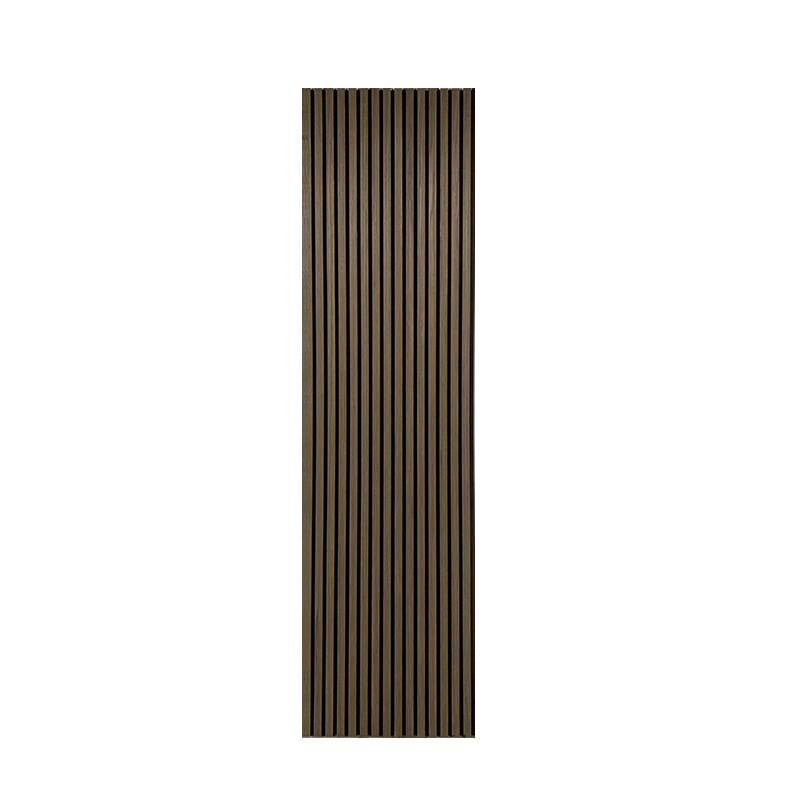
I’ve been in and out of job sites, studios, and hotel corridors for years, and the product that keeps popping up (for good reason) is the European Standard MDF Soundproof Acoustic Wall Panels from YTAKUPANEL. It’s a wood slat system with a wood top finish—clean lines, warm texture, and, crucially, it works. The origin is 1925aa, Shangdongcheng Shangdong Apartment, No. 10, Zhaiying North St. Shijiazhuang, Hebei, China. If you care about elegant control of reverberation without turning the room into a foam cave, this is right up your alley.
Why slat wood panels are trending
Two things: biophilic design and retrofit practicality. Designers love the warmth of wood; facility teams love that these panels mount to walls or ceilings quickly and hide sins on imperfect substrates. Many customers say the before/after in speech clarity is surprisingly noticeable—meeting rooms stop echoing, lobbies sound less “hard.” To be honest, a big part of the appeal is simply that they look premium without the premium fuss.
Technical snapshot and specs
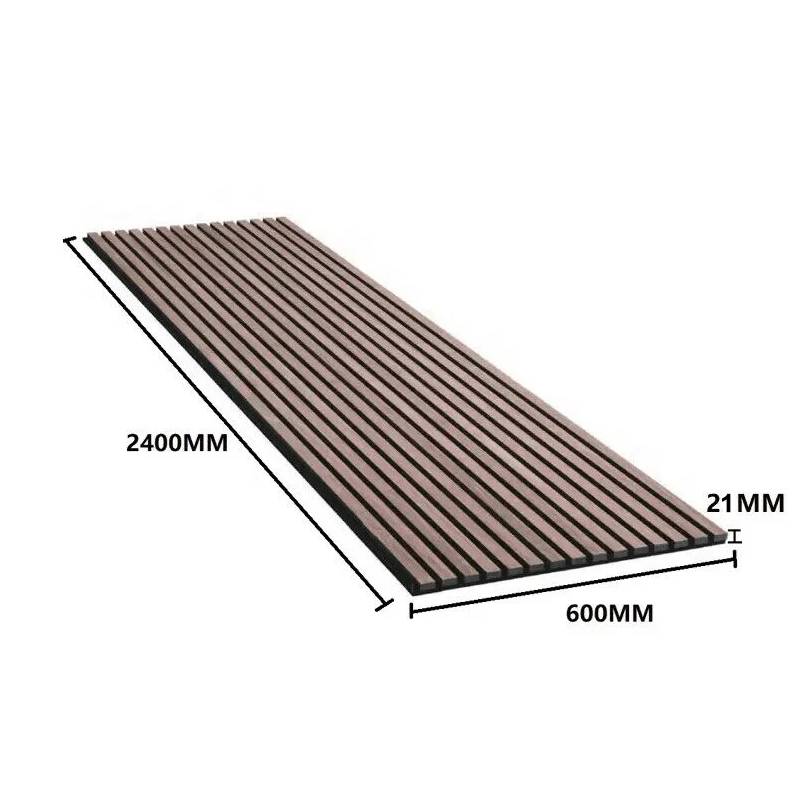
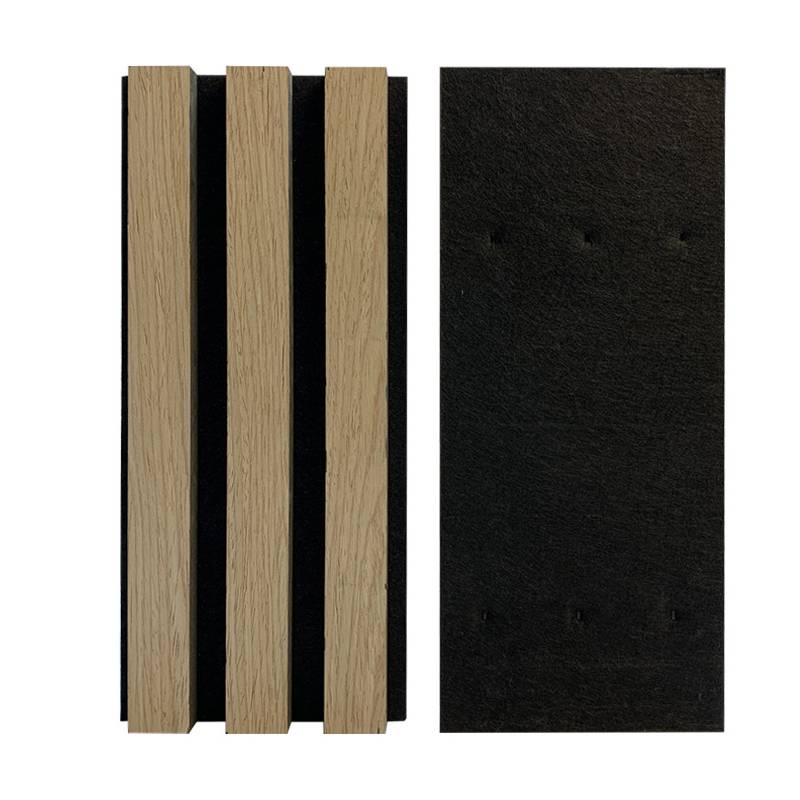
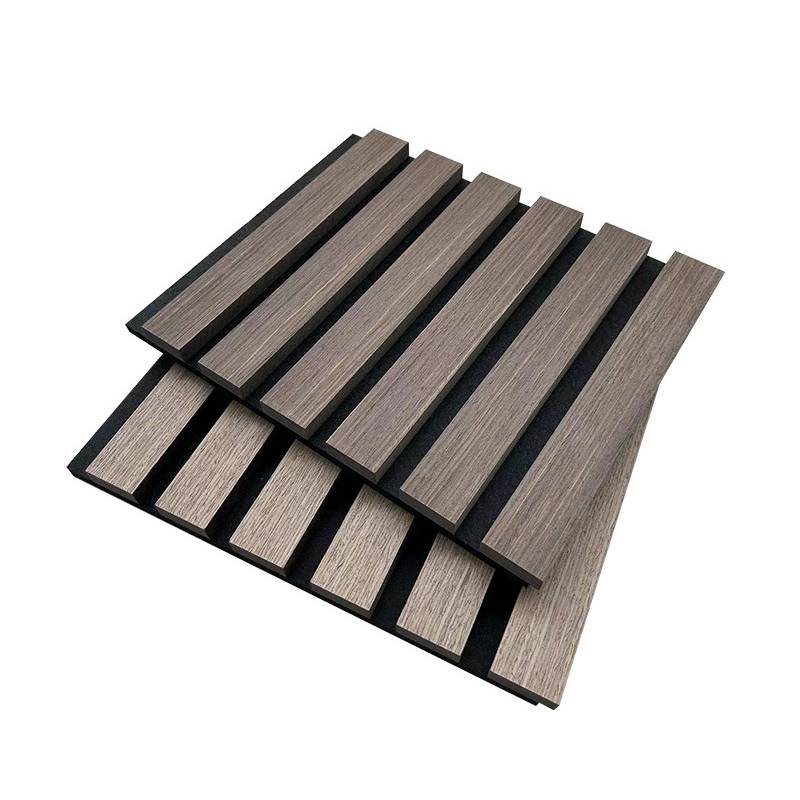
This model uses an MDF core with a wood top slat finish, 10 mm gaps between slats, overall panel thickness 21 mm. Below is the quick spec pack (with real-world hedging, because—site conditions).
| Parameter | Value / Notes |
|---|---|
| Core / Finish | MDF core, wood-slat top finish |
| Thickness | 21 mm (≈) |
| Slat Gap | 10 mm between slats |
| Acoustic Performance | Indicative NRC ≈ 0.75–0.85 with 50 mm mineral wool backing (ISO 354 method, typical for slat systems; verify project lab data) |
| Fire / Safety | Assess to ASTM E84 / EN 13986 pathways; results vary by finish and backing |
| Service Life | 10–15+ years indoors; keep RH ~40–60% for best stability |
Applications and install flow
- Residential: feature walls, bedrooms (quieter HVAC hum perception), media rooms.
- Commercial: meeting rooms, corridors, coworking hubs, reception areas.
- Studios/Content: podcast sets, edit bays, small rehearsal rooms.
Typical process: measure and plan joints; acclimate panels 24–48h; mount battens or direct-fix on a level surface; optional mineral wool backing for higher absorption; screw or adhesive fix; trim edges; snag test; handover. Testing standards to reference include ISO 354 (absorption), ISO 11654 (class rating), and ASTM E84 (surface burning). I guess the key variable is backing depth—more air or wool, better low-mid control.
Customization
Finish tones, edge details, and module lengths are commonly tailorable in the market; slat gaps here are 10 mm. If you’re chasing specific fire or VOC targets, request test reports tied to your exact finish stack. Many specifiers also ask for FSC/PEFC sourcing options—worth checking.
Vendor landscape (quick compare)
| Vendor | Strengths | Considerations |
|---|---|---|
| YTAKUPANEL (this model) | MDF wood-slat finish; 21 mm build; easy wall/ceiling install; competitive lead times | Confirm fire/VOC reports by finish; optimize with backing for target NRC |
| Vendor A (EU) | Broad veneer palette; robust documentation | Higher cost; longer shipping outside EU |
| Vendor B (US) | Fast domestic logistics; strong LEED support | Limited gap options; price varies by wood grade |
Field notes and mini case studies
- Coworking lobby: panels over mineral wool dropped RT60 from ~1.2s to ~0.6s in speech bands; users said “it instantly feels calmer.”
- Condo bedroom: direct-fix to furring reduced slap echo; occupant reported better perceived privacy.
- Podcast nook: tighter early reflections; producer noted clearer voice capture with less EQ fuss.
If you’re sorting through acoustic panel types, the big takeaway is: match the panel geometry (slat, gap, thickness) and backing depth to your reverberation targets and fire/VOC needs. And yes, aesthetics matter—these look good in photos and in person.
Final thought: documentation is your friend. Ask for ISO 354/11654 absorption data, any ASTM E84 surface burning results, EN 13986 declarations, and VOC info. It sounds fussy, but it saves headaches later—especially in hospitality and education projects comparing multiple acoustic panel types.
- ISO 354: Acoustics — Measurement of sound absorption in a reverberation room. https://www.iso.org/standard/60247.html
- ISO 11654: Sound absorbers for use in buildings — Rating of sound absorption. https://www.iso.org/standard/30936.html
- ASTM E84: Standard Test Method for Surface Burning Characteristics of Building Materials. https://www.astm.org/e0084-23.html
- EN 13986: Wood-based panels for use in construction. https://standards.iteh.ai/catalog/standards/cen/ed2d8adf-3f87-48f0-a6f9-6a166f5db8ea/en-13986-2004-a1-2015
- LEED v4.1 BD+C: Acoustic Performance (guidance). https://www.usgbc.org/leed/v41
-
Ultimate Guide to Durable and Stylish pvc wood effect claddingNewsApr.16,2026
-
Ultimate Guide to Durable and Stylish PVC Wood CladdingNewsApr.09,2026
-
Discover the Beauty and Durability of PVC Wall Panels Wood Effect SolutionsNewsApr.07,2026
-
Enhance Your Space with Durable PVC Wall Panels Wood SolutionsNewsApr.04,2026
-
Explore the Beauty and Benefits of Pine Wood Wall Panelling for Your HomeNewsMar.31,2026
-
Enhance Your Interiors with the Natural Beauty of Pine Wood Wall CladdingNewsMar.28,2026
 Afrikaans
 Albanian
 Amharic
 Arabic
 Armenian
 Azerbaijani
 Basque
 Belarusian
 Bengali
 Bosnian
 Bulgarian
 Catalan
 Cebuano
 Corsican
 Croatian
 Czech
Czech
 Danish
 Dutch
Dutch
 Esperanto
 Estonian
 Finnish
 French
 Frisian
 Galician
 Georgian
 German
 Greek
Greek
 Gujarati
 Haitian Creole
 Hausa
Hausa
 Hawaiian
 Hebrew
 Hindi
Hindi
 Miao
Miao
 Hungarian
 Icelandic
 Igbo
Igbo
 Indonesian
 Irish
Irish
 Italian
 Japanese
 Javanese
 Kannada
 Kazakh
 Khmer
Khmer
 Rwandese
 Korean
 Kurdish
 Kyrgyz
 Lao
Lao
 Latin
Latin
 Latvian
 Lithuanian
 Luxembourgish
 Macedonian
 Malgashi
 Malay
Malay
 Malayalam
 Maltese
 Maori
Maori
 Marathi
 Mongolian
 Myanmar
 Nepali
 Norwegian
 Norwegian
 Occitan
 Pashto
 Persian
 Polish
 Portuguese
 Punjabi
 Romanian
 Russian
 Samoan
 Scottish Gaelic
 Serbian
 Sesotho
 Shona
Shona
 Sindhi
 Sinhala
 Slovak
 Slovenian
 Somali
 Spanish
 Sundanese
 Swahili
 Swedish
 Tagalog
 Tajik
Tajik
 Tamil
Tamil
 Tatar
Tatar
 Telugu
 Thai
Thai
 Turkish
 Turkmen
 Ukrainian
 Urdu
Urdu
 Uighur
 Uzbek
Uzbek
 Vietnamese
 Welsh
Welsh
 Bantu
Bantu
 Yiddish
 Yoruba
 Zulu
Zulu
 English


